

Interior Designer Salary in India: Freshers to Experienced
Quick answer: Interior designer salary in India ranges from ₹2.5–4 LPA for freshers to ₹15–25+ LPA for senior and principal designers. Pay depends on city, job role, and client-handling skills. Delhi NCR and Mumbai offer the highest packages, while freelance designers earn through per-square-foot fees or a percentage of project value. The right course and a strong portfolio push starting salaries up significantly.
Interior designer salary in India is one of the first questions students ask before enrolling in a design course, and rightly so. You’re not just choosing a career — you’re choosing an income path that shifts dramatically based on your city, your specialization, and how fast you build a portfolio.
This guide breaks down what you can expect to earn at every stage: as a fresher stepping into your first job, as a mid-career designer handling independent projects, and as a senior professional running your own practice. You’ll also find city-wise comparisons, role-wise salary bands, and the specific skills that move the needle on your paycheck.
By the end, you’ll know exactly where you stand today and what to target next — whether that’s a certification in AutoCAD, a stronger portfolio, or your first freelance client.
What is the interior designer salary for freshers in India?
A fresher interior designer in India typically earns between ₹2.5 LPA and ₹4 LPA in their first job. This figure applies to graduates holding a diploma or degree in interior design who join a design studio, architecture firm, or furniture brand as a junior designer or design trainee.
Your starting salary depends on three factors: the city you work in, the type of firm you join, and the strength of your portfolio at the interview stage. A fresher joining a boutique studio in Delhi NCR or Mumbai generally commands a higher starting figure than one joining a smaller firm in a tier-2 city, simply because project budgets — and client expectations — are higher in metro markets.
Freshers who complete a structured program, such as the One-Year Professional Diploma in Interior Designing, often enter the job market with a stronger technical base in software tools and site execution. That translates into faster onboarding and, in many cases, a better starting offer than candidates without formal training.
How does interior designer salary grow with experience?
Interior designer salary in India grows in three distinct stages: early career (2–5 years), mid-career (5–10 years), and senior or principal level (10+ years). Each stage brings a different scope of responsibility, and pay scales with it.
- Build execution speed (2–5 years): At this stage, designers move from assisting on projects to independently managing client briefs, vendor coordination, and site visits. Salaries typically range from ₹4 LPA to ₹8 LPA, reflecting the shift from learning the job to delivering it.
- Take ownership of projects (5–10 years): Designers at this level usually lead a small team, manage multiple projects at once, and are accountable for budgets. Pay in this bracket generally sits between ₹8 LPA and ₹15 LPA.
- Lead design strategy (10+ years, senior/principal designer): At the senior or principal level, designers set the creative direction for a studio, manage client relationships at a leadership level, and often hold equity or partnership stakes. Compensation here can range from ₹15 LPA to ₹25 LPA or more, especially for those running their own studio.
Each jump in this ladder depends less on years served and more on the complexity of projects you’ve handled. A designer who takes on larger commercial or hospitality projects early will often cross these thresholds faster than one who stays in residential-only work.
How does interior designer salary in Delhi compare with other cities?
Interior designer salary in Delhi and other metro cities is consistently higher than in tier-2 and tier-3 markets. This gap exists because metro cities have a higher density of premium residential and commercial projects, larger average project budgets, and more established design studios willing to pay for specialized skills.
- Delhi NCR: One of the strongest markets for interior designers in India, driven by premium residential developments in Gurugram, Noida, and South Delhi. Freshers can expect ₹3–4.5 LPA, with experienced designers crossing ₹12–18 LPA in established studios.
- Mumbai: Comparable to Delhi NCR, with additional demand from the hospitality and retail design sectors. Senior designers in Mumbai often earn ₹15–20 LPA or more, particularly those working with luxury residential clients.
- Bengaluru: A growing market fueled by IT-sector professionals investing in home interiors and commercial office fit-outs. Salaries here are close to Delhi NCR, with freshers starting around ₹3–4 LPA
- Tier-2 cities: Cities like Lucknow, Jaipur, and Chandigarh offer lower starting salaries, generally ₹2–3 LPA for freshers, but the cost of living is also significantly lower, and competition for senior roles is less intense.
Choose a metro city if your priority is faster salary growth and access to larger projects. Choose a tier-2 city if you want lower living costs and a quicker path to recognition in a smaller, less saturated market.
What are interior designer salary ranges by job role?
Interior designer salary in India also varies significantly by the specific role you take on, even within the same experience bracket. Not every interior design job involves the same mix of creative and technical work, and pay reflects that difference.
- Junior Designer: Entry-level role focused on concept support, material research, and basic drafting. Typically ₹2.5–4 LPA.
- 3D Visualizer: A specialized, software-heavy role using tools like 3ds Max and SketchUp to create client-facing renders. Skilled visualizers often earn more than general junior designers, typically ₹3.5–6 LPA, because strong rendering skills are in short supply.
- Site Supervisor: Responsible for on-ground execution, vendor coordination, and quality checks. Pay ranges from ₹3–5.5 LPA, depending on project scale.
- Project Manager: Oversees budgets, timelines, and multiple stakeholders across one or more projects. Typically ₹6–12 LPA.
- Design Consultant: Works directly with clients on concept and styling, often on a project or retainer basis. Independent consultants can earn ₹8–15 LPA or more, depending on client base and reputation.
If your strength is technical visualization rather than client interaction, the 3D visualizer path often pays better per hour of effort invested, since demand for high-quality renders consistently outpaces supply.
How much can a freelance interior designer earn in India?
Freelance interior designer income in India depends on the pricing model you choose: per-square-foot fees, a percentage of total project value, or a flat design fee. Each model suits a different type of project and client relationship.
- Charge per square foot: Common for residential projects, this model typically ranges from ₹50 to ₹250 per sq ft, depending on the scope of design services included and the designer’s experience level.
- Charge a percentage of project value: Used for larger or commercial projects, where the designer earns 8–15% of the total project cost, including execution and procurement.
- Charge a flat design fee: Suited for consultation-only engagements, where the designer is paid a fixed amount for concept design, mood boards, and layout plans without overseeing execution.
A freelance interior designer handling two to three mid-sized residential projects a year can realistically match — or exceed — a full-time salary at the mid-career level, provided they have a strong referral network and a reliable vendor base. The tradeoff is inconsistent monthly income, which is why many designers start freelancing only after building a client base through a full-time role.
Which skills increase an interior designer's salary the most?
Technical software skills and client-handling ability increase interior designer salary more than any other factor. Design firms consistently pay a premium for candidates who can move a project from concept to execution without heavy supervision.
- AutoCAD: The industry standard for technical drawings and floor plans. Designers without working AutoCAD knowledge are rarely considered for site-facing roles.
- 3ds Max and SketchUp: Essential for 3D visualization and client presentations. Designers who can produce photorealistic renders in-house save studios the cost of outsourcing, which makes them more valuable hires.
- Estimation and costing: The ability to prepare accurate material and labor estimates directly affects a studio’s profitability, making this skill highly valued at the project manager level.
- Client handling: Strong communication and negotiation skills determine whether a designer can be trusted to run client-facing meetings independently, a prerequisite for consultant-level pay.
Our guide on the top 7 skills every interior design student must learn breaks each of these down with practical exercises to build them before your first job interview.
How does your course and portfolio affect your starting salary?
The right course and a strong portfolio directly affect your starting salary by signaling job-readiness to employers before the interview even begins. Studios hire faster — and pay more — for candidates who can demonstrate real project experience rather than theoretical knowledge alone.
A structured program that includes live projects, site visits, and software training gives you tangible work to showcase, unlike a purely theoretical curriculum. Read our complete guide on how to become an interior designer for a step-by-step breakdown of the qualifications employers look for.
Your portfolio should include at least three to five projects that show range: a residential layout, a commercial concept, and a 3D visualization piece. Employers use the portfolio as a proxy for skill level, often weighting it as heavily as the interview itself when deciding on a starting offer.
Salary by Experience Level
| Experience Level | Years | Salary Range (Annual) |
|---|---|---|
| Fresher | 0–2 years | ₹2.5–4 LPA |
| Early Career | 2–5 years | ₹4–8 LPA |
| Mid-Career | 5–10 years | ₹8–15 LPA |
| Senior / Principal Designer | 10+ years | ₹15–25+ LPA |
Salary by Job Role
| Job Role | Salary Range (Annual) |
|---|---|
| Junior Designer | ₹2.5–4 LPA |
| 3D Visualizer | ₹3.5–6 LPA |
| Site Supervisor | ₹3–5.5 LPA |
| Project Manager | ₹6–12 LPA |
| Design Consultant | ₹8–15 LPA |
Expert Tip from Sukriti Faculty:
“Students often focus only on design theory and forget that estimation and client communication are what actually get you promoted faster. In every placement cycle, the candidates who can confidently walk a client through a cost breakdown are the ones who get picked first — and paid more.” — Faculty, Sukriti Professional Academy
What other false ceiling options are available?
PVC, grid, and wooden false ceilings are the main alternatives to gypsum and POP, each suited to specific rooms and budgets. PVC false ceiling panels are moisture-resistant and budget-friendly, making them a practical choice for bathrooms, balconies, and utility areas.
Grid false ceilings use a metal grid framework with removable tiles, commonly seen in offices and commercial spaces rather than homes, since they allow easy access to wiring and ducting above. Wooden false ceilings offer a warm, natural finish and are often used as accent sections combined with gypsum, though solid wood costs considerably more and needs periodic maintenance against termites and moisture.
Comparison Table: Gypsum vs POP False Ceiling
| Factor | Gypsum Board Ceiling | POP Ceiling |
|---|---|---|
| Installation time | 2–4 days | 5–7 days |
| Site mess | Minimal (dry fixing) | Higher (wet plaster work) |
| Finish flexibility | Flat, modern finishes | Curves, cornices, decorative work |
| Crack resistance | Better, due to taped joints | More prone to hairline cracks over time |
| Moisture resistance | Moderate (better in moisture-resistant variants) | Moderate once cured |
| Repair ease | Easy — replace individual panels | Harder — requires re-plastering |
| Approximate cost per sq ft | ₹70–₹100 | ₹55–₹85 |
| Best suited rooms | Bedrooms, kitchens, modern living rooms | Living rooms with decorative ceilings |
Comparison Table: Other False Ceiling Materials
| Material | Best Use | Key Advantage |
|---|---|---|
| PVC | Bathrooms, balconies, utility areas | Highly moisture-resistant, budget-friendly |
| Grid | Offices, commercial spaces | Easy access to wiring and ducting |
| Wooden | Accent sections, premium living rooms | Warm, natural finish |
Expert Tip from Sukriti Faculty: During client site visits across Delhi NCR, faculty at Sukriti Professional Academy consistently find that homeowners choose a ceiling design before checking the room’s slab height. Always measure the existing slab-to-floor height first — a design that looks stunning in a catalogue can feel oppressive in a room with a low ceiling.
Key Takeaways
- Interior designer salary in India starts at ₹2.5–4 LPA for freshers and can cross ₹25 LPA at the senior or principal level.
- Delhi NCR and Mumbai offer the highest pay, driven by premium residential and commercial project volumes.
- Specialized roles like 3D visualizer and project manager often pay more than generalist design roles at the same experience level.
- Freelance interior designers can match full-time salaries by combining per-square-foot and percentage-based pricing models.
- A strong portfolio and a structured, project-based course directly influence your starting salary and interview outcomes.
Frequently Asked Questions
What is the average starting salary for an interior designer in India?
How long does it take to become a well-paid interior designer?
Most designers see a significant salary jump after 5 years, once they can independently manage client projects and budgets. Reaching senior or principal-level pay usually takes 10+ years of consistent project experience.
Is freelancing more profitable than a full-time interior design job?
Which city pays interior designers the most in India?
Delhi NCR and Mumbai consistently offer the highest interior designer salaries, driven by larger project budgets and demand for premium residential design. Bengaluru follows closely due to growing commercial and IT-sector demand.
Do I need a degree to become an interior designer in India?
What software skills matter most for interior designer salary growth?
Can interior design career scope include non-residential projects?
Yes, interior design career scope extends well beyond residential work into commercial, hospitality, and retail design. These sectors often offer larger project budgets and, correspondingly, higher fees for experienced designers.
What are the highest paying interior design jobs in India?
The highest paying interior design jobs are typically design consultant and project manager roles, along with senior or principal designer positions at established studios. Freelance designers managing large commercial projects can also reach comparable or higher income levels.
Start Building Your Interior Design Career Today
Interior designer salary in India rewards those who combine the right technical skills with real project experience, regardless of whether you’re a fresher or planning a mid-career switch. The path from a ₹3 LPA starting role to a ₹15+ LPA senior position depends far more on your portfolio, software skills, and client-handling ability than on years alone.
If you’re exploring interior design as a career after 12th, as a graduate, or as a career switcher, the right course can shorten the distance between where you are and where these salary brackets begin. Sukriti Professional Academy offers free career counselling to help you map out the right course, build a strong portfolio, and plan your path toward these salary milestones — reach out to our Kalkaji, Noida Sector 18, or Greater Noida campus to get started.

Interior Designer Salary in India: Freshers to Experienced Quick answer: Interior designer salary in India ranges from ₹2.5–4 LPA for freshers to …
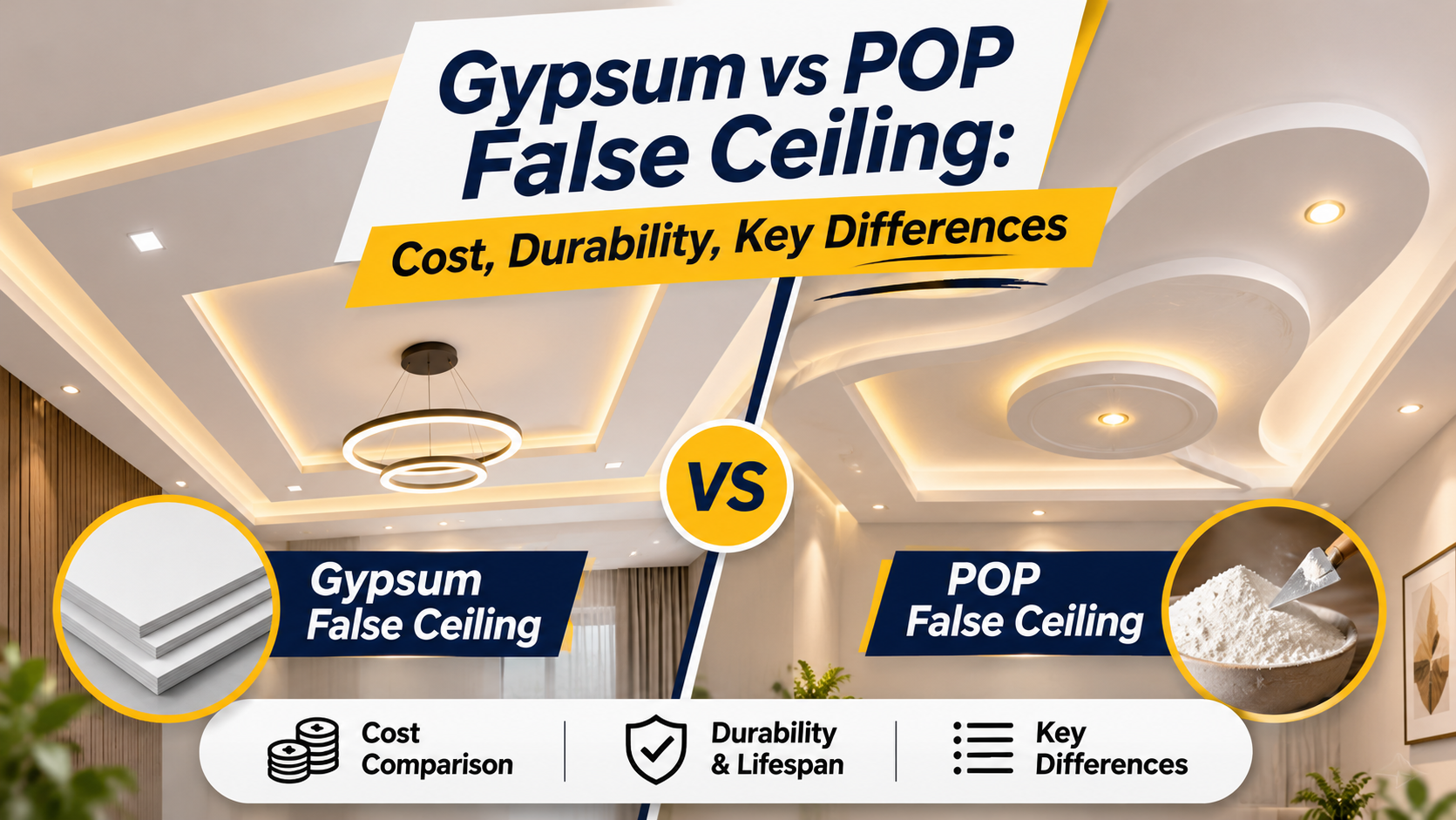
Gypsum vs POP False Ceiling: Cost, Durability, Key Differences Quick answer: Gypsum board ceilings use factory-made panels fixed to a metal frame, …
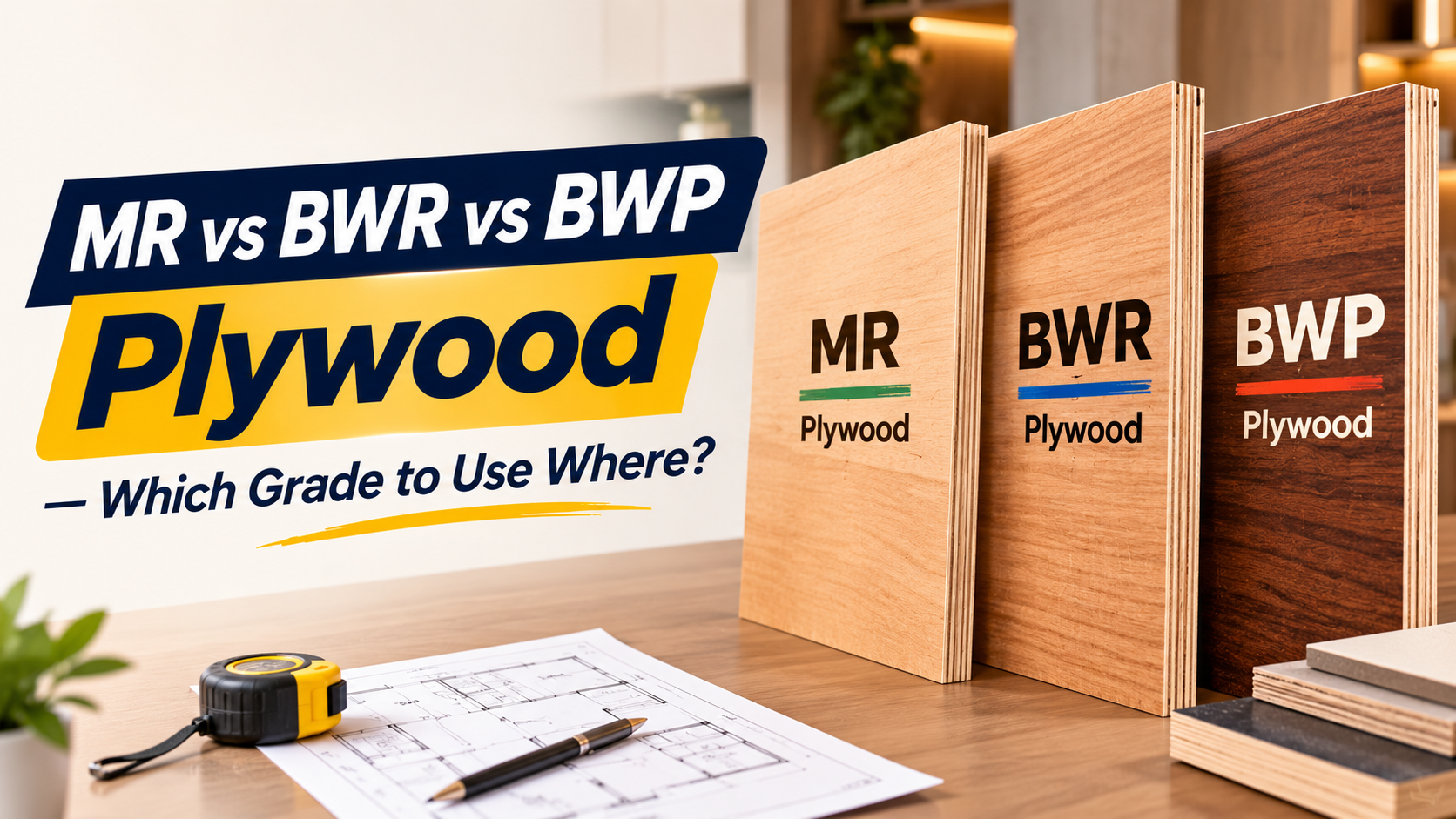
MR vs BWR vs BWP Plywood — Which Grade to Use Where? Quick answer: MR (Moisture Resistant) plywood suits dry areas like …
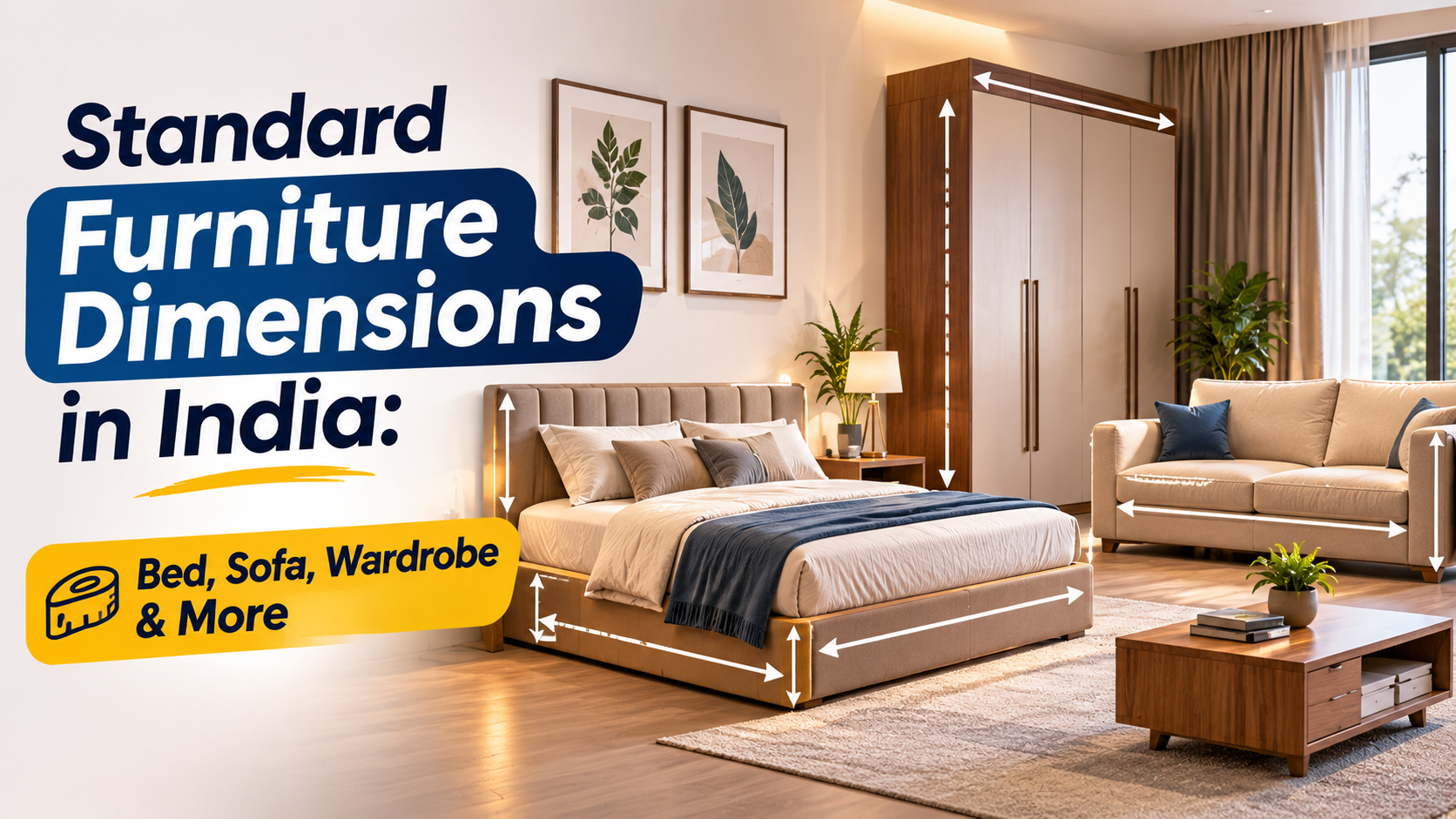
Standard Furniture Dimensions in India: Bed, Sofa, Wardrobe & More Quick answer : Interior Design is an ever exchanging and ever-evolving field. …